
Premium Cocopeat from Indonesia – Sustainable Growing Media
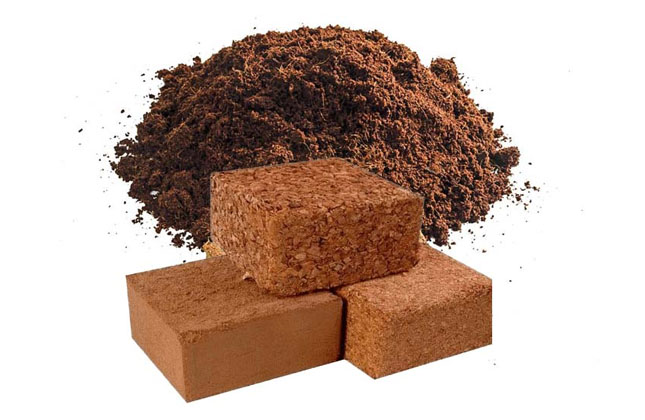
Cocopeat (also known as coconut coir pith or coco pith) is a natural, eco-friendly growing medium made from the spongy material between the fibers of coconut husks.
Indo Agriculture supplies high-quality cocopeat from Indonesia, processed under strict quality standards and available in various grades and packing options to meet the requirements of importers, distributors, and industrial.
About Cocopeat
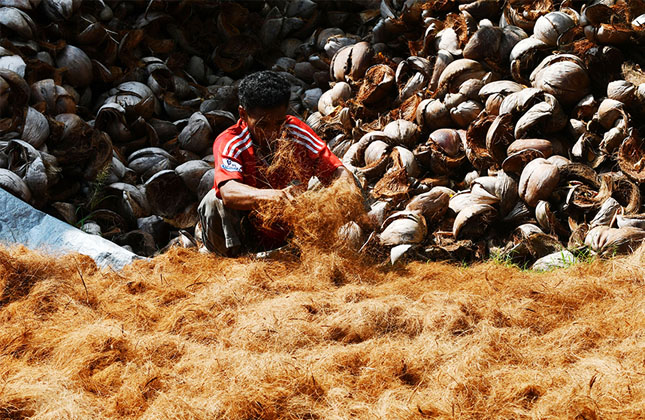
Cocopeat is a by-product of the coconut industry. After the fibers are extracted from the husk, the remaining pith is collected, cleaned, and processed into a stable growing medium. It has a naturally neutral to slightly acidic pH and is free from soil-borne diseases, making it an excellent alternative to peat moss.
Key characteristics:
- Made from 100% natural coconut coir pith
- Excellent water holding capacity with good drainage
- High porosity and air-filled porosity for healthy root development
- Re-wettable and easy to handle
- Renewable and environmentally friendly resource
Production Process – How Our Cocopeat Is Made
Our cocopeat is produced using carefully controlled steps to ensure consistent quality and performance:
1. Raw Material Selection
Fresh and mature coconut husks are sourced from selected coconut plantations and processing centers in Indonesia.
Only good quality husks are used to ensure a clean and stable final product.
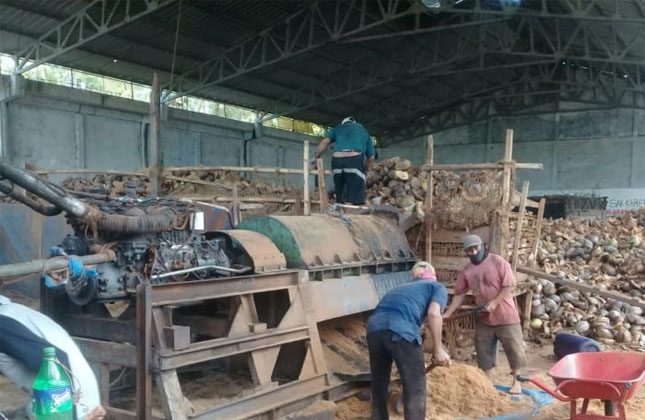
2. Crushing and Defibering
The husks are mechanically crushed and defibered. Long fibers are separated and used for other coir products, while the fine pith (cocopeat) is collected for further processing.
3. Screening and Sieving
The cocopeat is screened to remove large fibers, stones, and other impurities. Different mesh sizes can be used to produce fine, medium, or coarse textures according to customer requirements.
4. Washing and Buffering (for Low EC Grade)
For washed/low EC cocopeat, the material is washed with clean water to reduce soluble salts and bring the EC level down to an acceptable range. Additional buffering can be done to remove excess sodium and potassium ions when required.
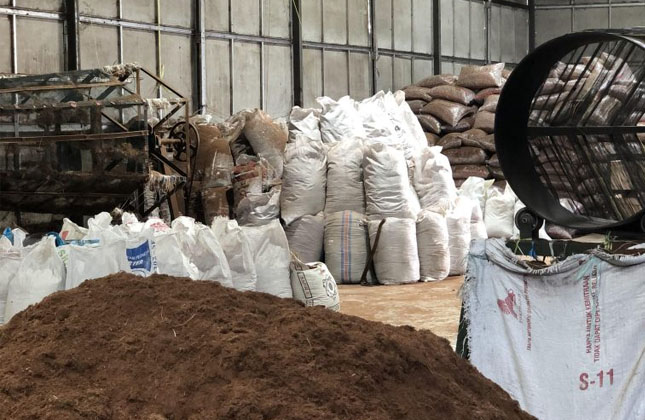
5. Drying
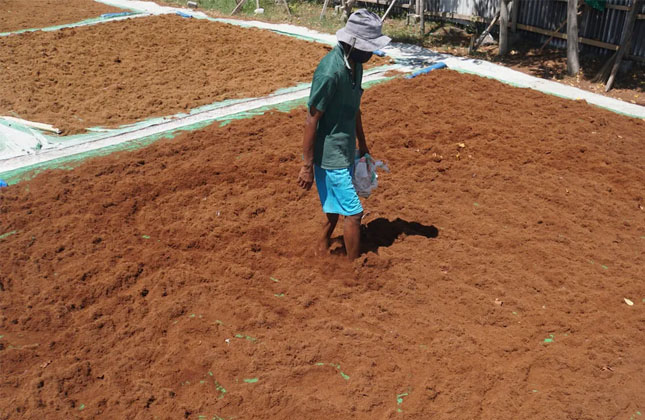
The washed or unwashed cocopeat is then sun-dried or mechanically dried to reduce moisture content to the desired level, ensuring safe storage and transport.
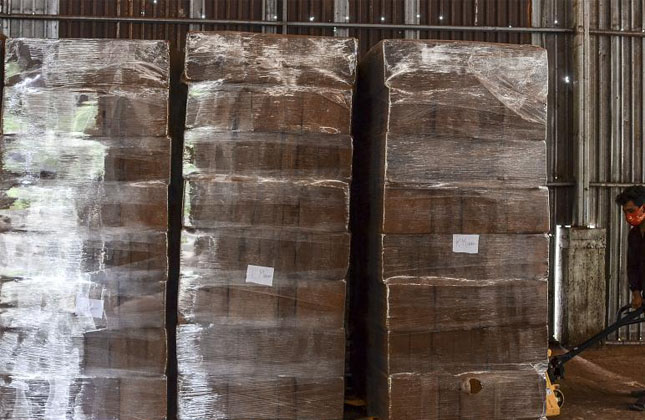
6. Compression and Packaging
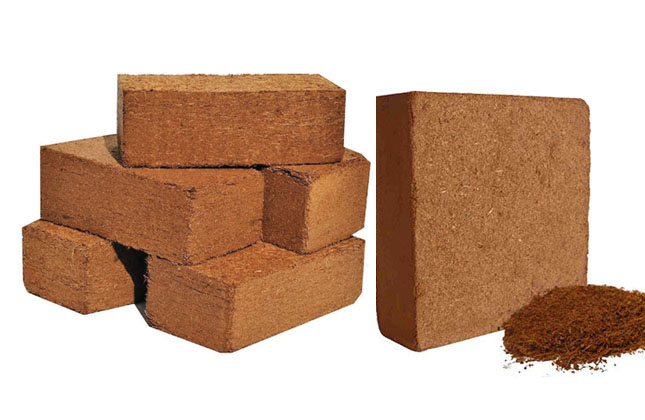
Dried cocopeat is compressed into blocks, briquettes, grow bags, or other forms using hydraulic presses. The compressed products are wrapped and packed on pallets or in bales, ready for container loading.
7. Quality Control
Each batch is checked for moisture, EC, pH, impurity content, and expansion volume. Laboratory analysis can be provided upon request for export customers.
Benefits & Advantages of Cocopeat
Using cocopeat as a growing medium offers many advantages for growers and producers:
- High water retention – holds several times its weight in water, reducing irrigation frequency
- Good aeration – maintains air pockets that support healthy root respiration and prevent root rot
- Consistent quality compared to many traditional soil mixes
- Low bulk density – lightweight material that is easy to handle, transport, and mix
- Environmentally friendly – made from a renewable resource and reduces the use of peat moss
- Excellent root development with strong, fibrous root systems and better nutrient uptake
Applications & Uses of Cocopeat
Cocopeat from IndoAgriculture can be used in a wide range of applications:
1. Horticulture and Greenhouse Growing
- Substrate for vegetables, fruits, flowers, and ornamentals
- Ideal for tomatoes, cucumbers, capsicum, strawberries, roses, and gerberas
2. Nurseries and Potting Mixes
- Component in potting soil blends
- Seedling trays, propagation mixes, and nursery bags
3. Hydroponics and Soilless Culture
- Used in grow bags, slabs, and pots for hydroponic systems
- Often mixed with perlite, vermiculite, or other components
4. Mushroom and Fungi Cultivation
- Suitable as a casing or substrate material when combined with other ingredients
5. Animal Bedding and Pet Products
- Comfortable and absorbent bedding for horses, poultry, reptiles, and small animals
6. Erosion Control and Landscaping
- Applied for soil stabilization, landscaping projects, and green roofs
Grades and Types of Cocopeat
We offer various grades and forms of cocopeat to match different technical requirements and applications:
By EC Level
- Low EC Cocopeat (Washed / Buffered)
EC typically below 0.5–1.0 mS/cm (1:1.5 or 1:5 extraction method, depending on customer specification). Recommended for hydroponics, seedling nurseries, and high-value crops. - High EC Cocopeat (Unwashed)
Supplied with natural EC level, suitable for certain applications or further processing by the buyer. Commonly used where local washing is preferred or for non-sensitive crops.
By Form
- 5 kg Compressed Blocks – standard export format, expands into loose cocopeat when re-hydrated, convenient for repacking and distribution.
- 650 g Briquettes / Small Blocks – easy-to-use blocks for retail and hobby gardening markets.
- Grow Bags / Slabs – pre-filled with cocopeat or cocopeat mixes for greenhouse crops and hydroponic systems.
- Discs and Pellets – used for seedling trays, pots, and retail gardening kits.
- Loose Cocopeat – loose bulk material for local blending and industrial use.
Typical Technical Specifications
Below are typical specifications for our standard cocopeat products. Actual values can be adjusted according to buyer requirements and contract specifications.
| Parameter | Typical Value | Remarks |
|---|---|---|
| Material | 100% coconut coir pith | No added soil or peat |
| Color | Light brown to dark brown | Natural variation |
| Moisture | Max. 15% | At time of packing |
| EC (Low EC grade) | < 0.5–1.0 mS/cm | Washed/buffered cocopeat |
| pH | 5.5 – 6.8 | Ideal for most crops |
| Expansion | 14–18 L per 1 kg | Depending on grade and compaction |
| Impurities (stones/sand) | Max. 2–3% | By weight |
| Sieve Size / Particle Size | Fine / Medium / Coarse | Customizable upon request |
Packing & Shipping Information
IndoAgriculture offers flexible packing and shipping options to meet the needs of different markets and channels:
Packing Options
- 5 kg blocks wrapped in plastic or bags
- 650 g briquettes in shrink wrap or printed bags (OEM / private label available)
- Grow bags filled with cocopeat or cocopeat mixes, sealed and palletized
- Loose cocopeat in big bags / jumbo bags
- Palletized or non-palletized loading, depending on destination requirements
Shipping & Documentation
- Shipment in 20’ or 40’ containers from major Indonesian ports
- Standard export documents available:
- Commercial Invoice & Packing List
- Certificate of Origin (COO)
- Phytosanitary Certificate
- Fumigation Certificate (if required)
- MSDS and technical data sheets
Regular orders and long-term contracts are welcome. Our team can work with you to optimize packing, loading weight, and documentation according to your country’s regulations.
Why Choose Cocopeat from IndoAgriculture?
- Reliable sourcing from experienced cocopeat manufacturers in Indonesia
- Consistent quality control for EC, pH, moisture, and expansion volume
- Flexible product forms and private label / OEM packaging options
- Responsive export team to support inquiries, samples, and technical questions
- Competitive pricing and efficient container loading for cost-effective import
Contact us today for detailed specifications, samples, and the latest price list for cocopeat products.